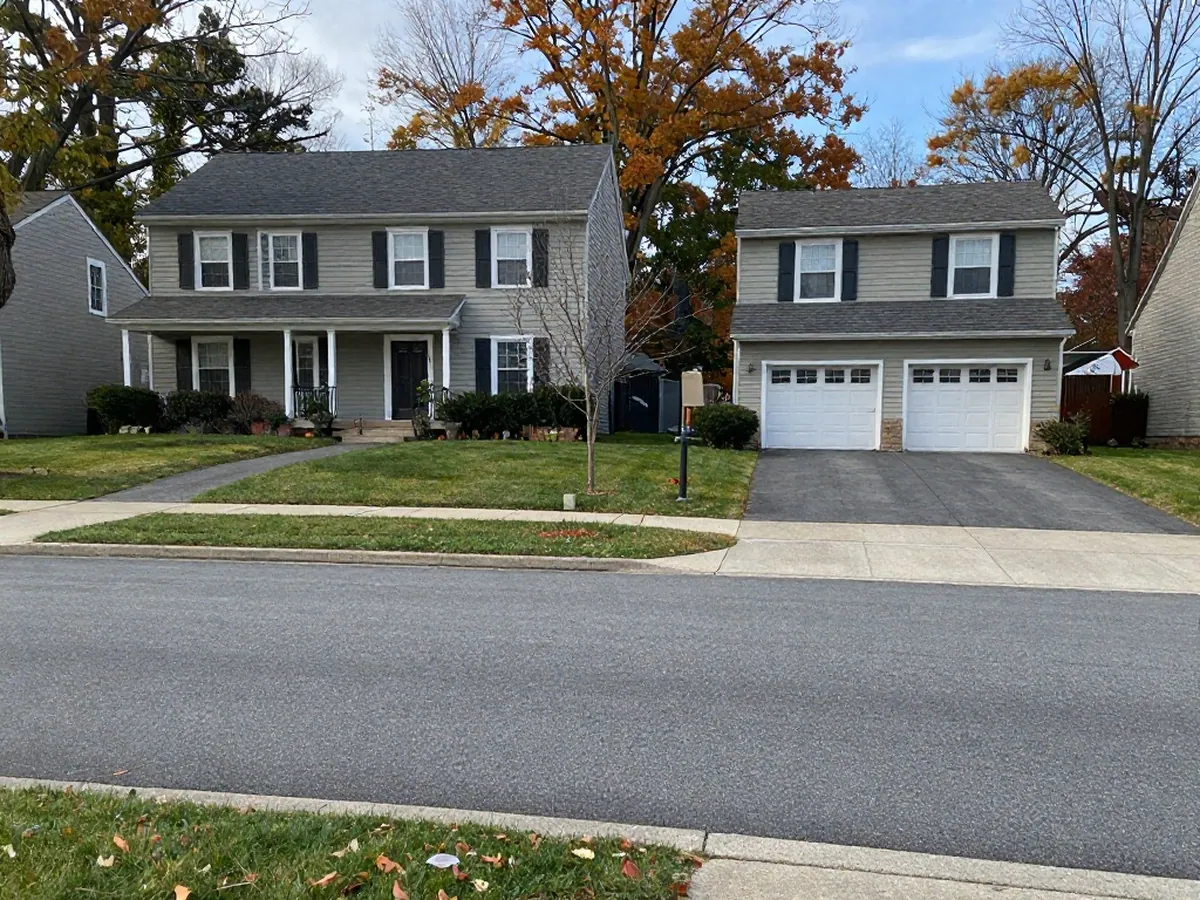
Worn, curling or patched-out roofs near Montville
Roof Replacement in Montville, NJ
Roof replacement in Montville, NJ comes up when shingles curl across whole slopes, leaks keep turning up in new places, or a repair would cover most of the roof. Give the roof's age and what you see: call (862) 430-2399.
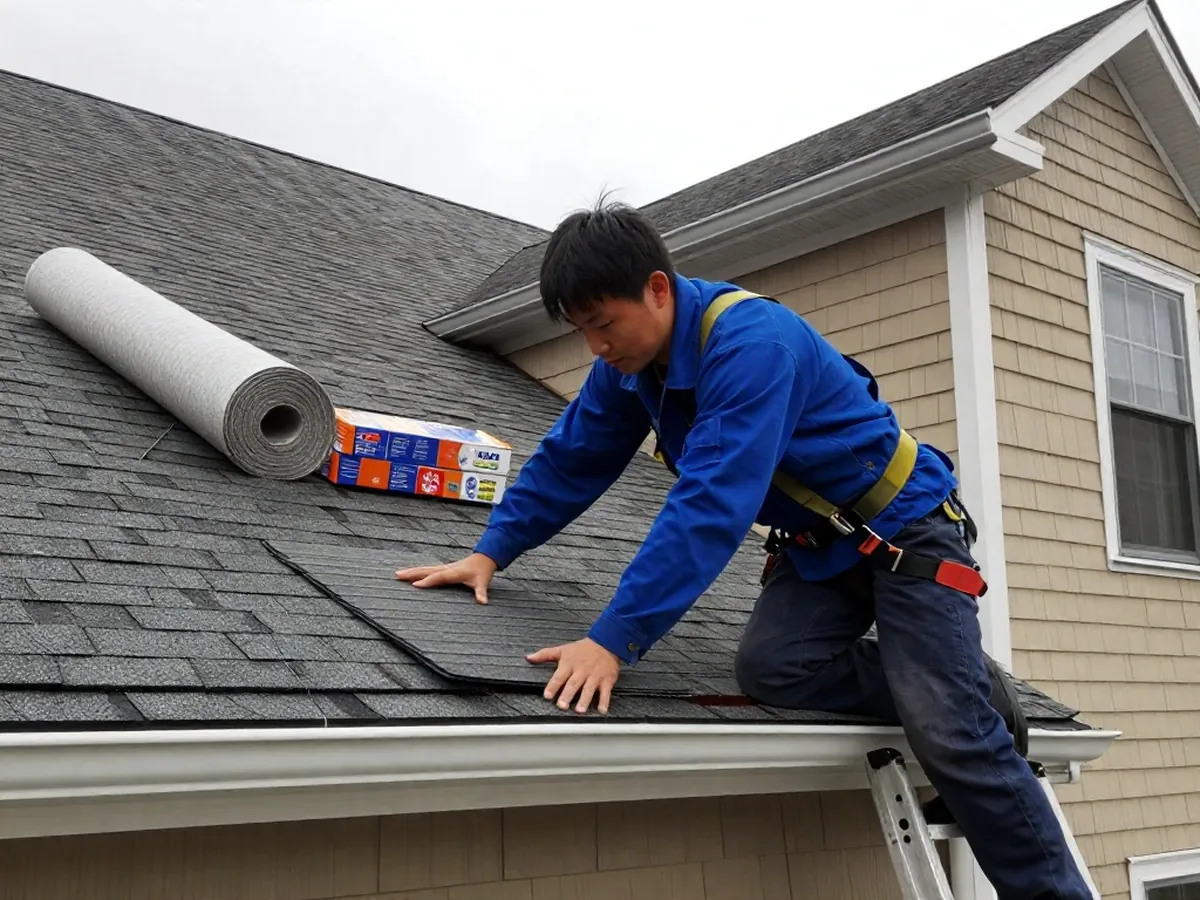
What you might be seeing
- Shingles curling or cracking across a whole slope, not one patch
- A leak that shows up in a new spot after each repair
- Bald patches on the shingles and grit collecting in the gutters
- A roofline that dips or ripples between the rafters
- Dark, damp-looking boards across a wide area of the attic
Looks from the yard and the attic hatch
Every look below is from the yard, an upstairs window or the attic hatch. None of it needs a ladder.
- From the lawn, compare each slope. Damage spread across a whole slope reads differently to a roofer than damage in one patch.
- Count the leaks and note the rooms. Stains in several rooms, or one that returns after a repair, say more than a single mark does.
- Look at the gutters and the ground under the downspouts for grit that has washed off the shingles.
- Dig out paperwork from the last roof job, or ask the previous owner for the year. The roof's age is the first thing a roofer asks.
The visit
What the roofer can look at
- Call (862) 430-2399, give the roof's age and anything you have spotted, and the contractor can arrange a visit.
- The roofer can count the layers of shingles and read the surface of each slope.
- From the attic, the roofer can look at the boards for dark, soft or damp spots.
- Flashing at chimneys, walls, vents and valleys gets listed, because trade guidance calls flashing the most vulnerable part of a roof.
- The roofer can describe what goes under the shingles, meaning underlayment and the deck, and what is proposed for each.
- Last come the contract and the paperwork: the written agreement New Jersey calls for above $500, and who handles any town filing.
Back off and get help if
- A ceiling is bulging or sagging below a leak: water may be pooled behind it, so move people out of that room and call 911.
- Water drips from a ceiling fixture or collects near an outlet: leave the room, skip the switch, and call 911 from a dry place.
- Wires are strung across the yard or leaning on the roof: assume they carry current, stay a long 30 feet off, and dial 911 or JCP&L at 888-544-4877.
- Someone wants to climb up and check the damage in wet, icy or windy weather: stay on the ground, and call 911 if anyone falls.
Questions for the roofer
Questions to put to a roofer before the old roof comes off
Which shingles and which underlayment are proposed? What happens if the boards underneath are soft? What covers the house if rain comes mid-job? Who files any town paperwork?
New Jersey's contract rule asks in writing for the materials, the full price, a start date and a finish date. Get the answers there rather than on a handshake.
What moves the size of the job
What stretches a tear-off into a longer job
Layers come first: a roof with two layers of shingles takes more removal than one with a single layer. Next is the deck. Boards that are wet or soft get replaced, and nobody knows how many until the shingles are off.
Pitch, the number of chimneys, valleys and skylights, and where the dumpster and the truck can sit also shape the work. Overhead wires near the house change the plan too.
FAQ
Questions people ask
How urgent is a worn-out roof, from 1 to 10?
At 8 to 10, the ceiling bulges, water reaches a fixture or a line is down: clear out and call 911 (JCP&L for a line). At 4 to 7, leaks keep turning up in new places, so call (862) 430-2399 before winter. At 1 to 3, the shingles look tired and the house stays dry: photograph each slope and ask a roofer to weigh repair against replacement.
How much of a roof has to be bad before it is replaced?
No law sets the number. A Department of Energy brief cites a builders' guide that leans toward replacement when repair would touch more than a tenth of the roof. That is a rule of thumb, and a roofer weighs it against the roof's age and the condition of the boards underneath.
What goes between the shingles and the boards?
Underlayment. Federal guidance says to always use it. The Department of Energy brief describes one layer of 30-pound felt lapped at least 2 inches, or two layers of 15-pound felt. It adds that peel-and-stick underlayment resists water better if shingles blow off. Ask which one is proposed.
What does New Jersey say about paying up front?
In a 2012 release the state's consumer-protection division says paying for the whole job in advance is not customary. It suggests thirds: one at signing, one halfway, one at completion. It is advice, not a legal cap. The asphalt roofing trade group also urges caution with anyone who asks for payment up front.
Is a full roof available in Towaco, Pine Brook, Boonton and Lake Hiawatha?
Yes, the contractor works in all four, as well as Montville. Local notes for each sit on Towaco roofing, Pine Brook roofing, Boonton roofing and Lake Hiawatha roofing. Give the address on the call: call (862) 430-2399 and say which town.
Before you call
What a roofer asks on the first replacement call
How old is the roof? How many leaks, and where? Is there attic access, and is anything stored up there? Are there solar panels, a skylight or a chimney on the roof?
A few photos of each slope speed things up. Call (862) 430-2399 with the address and those answers, and mention whether the house is in Montville, Towaco, Pine Brook, Boonton or Lake Hiawatha.
Habits that cost more
Four ways a new-roof job goes sideways
Signing at the door on the spot.
The FTC's cooling-off rule gives three days to cancel many sales made at home, though it excludes sales where you asked the seller to visit for repairs.
Paying in full first.
The state's thirds rule of thumb exists for a reason.
Skipping the written contract.
Above $500, New Jersey requires one.
Skipping the photos.
Pictures of the old roof, taken before the crew starts, give an insurance conversation something to stand on, and the state's insurance department asks for them.
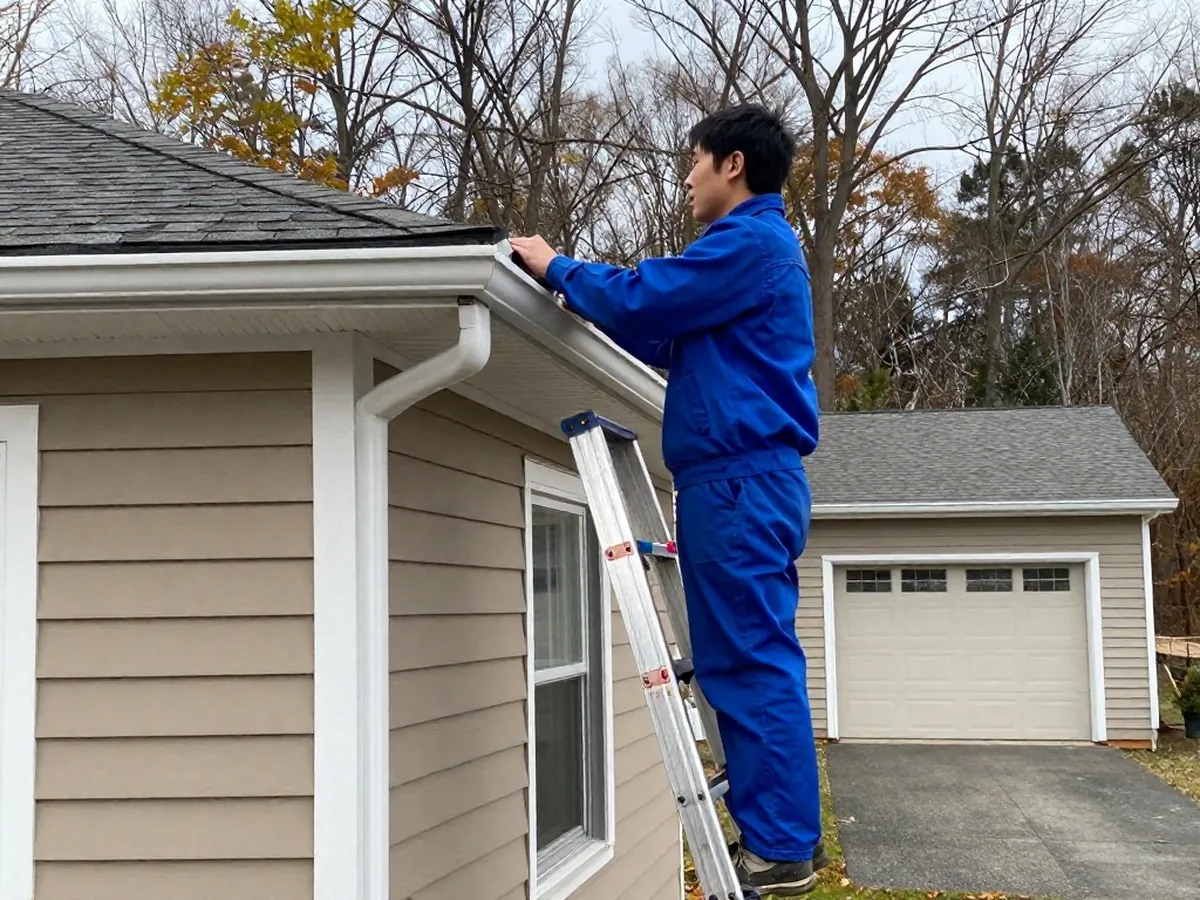
The job in pictures
A tear-off in six steps
One: shingles and old underlayment come off down to the deck. Two: the boards are checked and any bad ones replaced. Three: new underlayment goes over the deck. Four: flashing goes in at walls, chimneys and valleys. Five: a starter strip runs along the eaves. Six: shingles are nailed in courses, with six nails per shingle along the eaves in the federal high-wind guidance.
The order is the same whether the house is a Montville colonial or a Boonton two-family.
Paperwork, briefly
Paperwork for a whole new roof
For a detached home built for one or two families, a complete tear-off and re-cover counts as ordinary maintenance under state rules: no permit application and no inspection. Ordinary maintenance still has to meet the code, and the code editions changed in 2026, with a six-month grace period for the old ones.
The rules page explains the dates.
Before you call
Keep the street address, what you noticed and the roof's age close by, then call (862) 430-2399. If you rent, your landlord decides on roof work, so that conversation comes first. Served: Montville, Towaco, Pine Brook, Boonton and Lake Hiawatha.